Professional Concrete Coatings Fort Mill SC for Residential and Commercial Projects
Robust and Trendy Ground Coating Answers for Any Need
Durable and attractive floor coating solutions serve a range of requirements in both residential and commercial spaces. The choice of materials can greatly affect not just aesthetics, but also functionality and longevity. Factors such as foot traffic and environmental conditions play an essential role in the decision-making process. Understanding these elements can lead to better choices. Yet, with so many options available, how does one determine the most suitable solution?
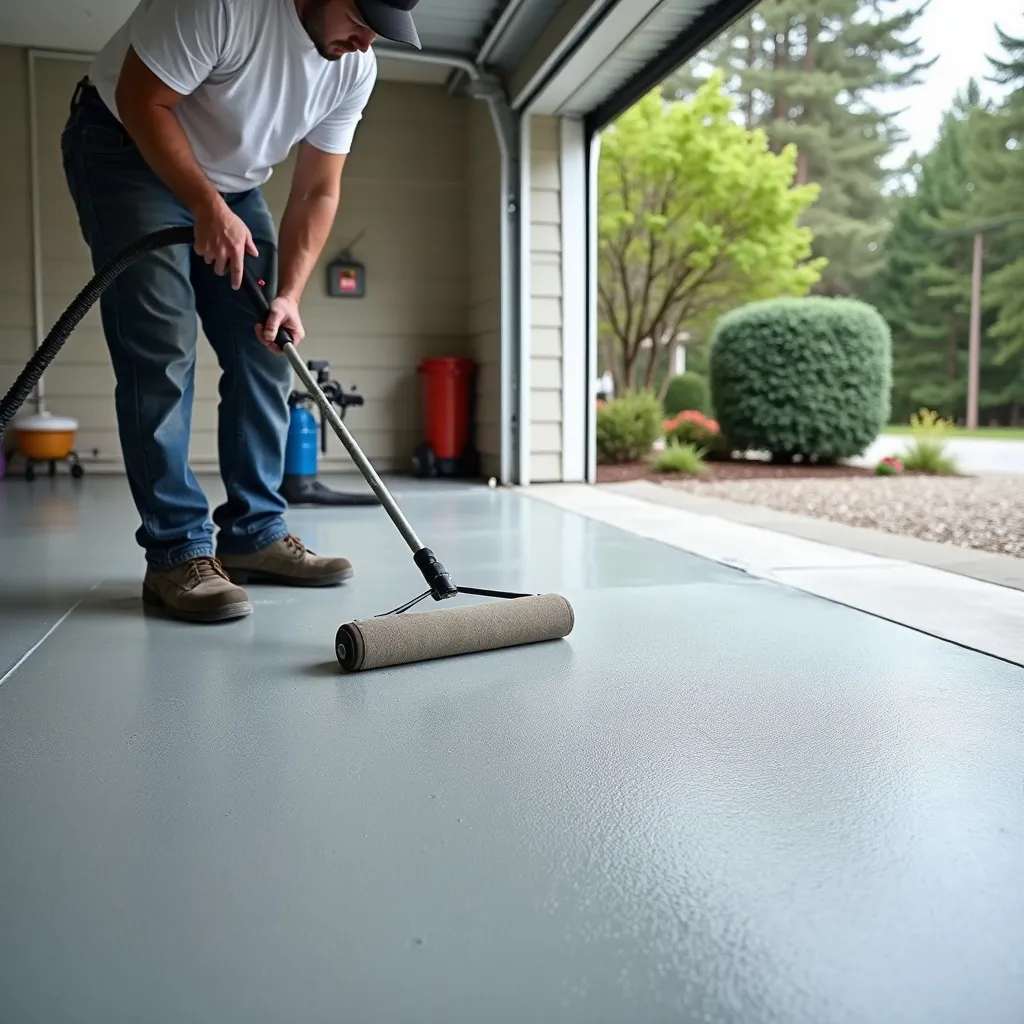
Picking the Best Flooring Solution for Your Location
How can a person determine the most appropriate floor coating for a particular environment? Choosing the right floor coating demands careful consideration of multiple factors. First, you should assess the space's purpose; residential areas may prioritize aesthetics, while industrial settings might focus on durability and safety. Next, understanding the foot traffic levels is critical, as coatings differ in resilience. Environmental conditions, including moisture and temperature fluctuations, also play a important role in coating selection.
Additionally, the base material beneath the coating can influence adhesion and compatibility. For example, concrete areas may require specific primers or sealants. One must also consider upkeep needs; some coatings require regular upkeep while others offer low-maintenance solutions. Budget constraints are just as critical, as costs can differ significantly among materials. Ultimately, a well-informed decision requires harmonizing functionality, aesthetics, and cost-effectiveness to attain the desired outcome.
Most Long-lasting Floor Finishes for High-Volume Areas
In high-traffic areas, the choice of surface coating significantly affects durability and maintenance. Epoxy flooring systems are known for their strength and capacity to endure heavy use, while polyurethane options provide adaptability and protection to chemical damage. Understanding the benefits of these choices is crucial for ensuring durable functionality in demanding conditions.
Epoxy Floor Coatings
Epoxy floor coatings distinguish themselves as a top-tier choice for busy spaces due to their exceptional durability and resilience. Created with a mixture of epoxy resins and hardeners, these coatings create a robust surface that can endure heavy foot and vehicle traffic without displaying damage. The smooth installation minimizes joints and seams, reducing the risk of water infiltration and mold growth. Additionally, epoxy coatings offer remarkable resistance to chemicals, stains, and impacts, making them perfect for industrial, commercial, and residential environments. Their glossy finish improves aesthetics while providing slip resistance, contributing to safety. Overall, epoxy floor coatings deliver a functional and attractive solution for spaces demanding long-lasting performance.
Polyurethane Floor Choices
Polyurethane floor coatings function as a superior option for environments that call for outstanding durability and resilience. These finishes are notably suited for busy areas, including commercial spaces, warehouses, and industrial facilities. Their reinforced formulation guarantees superior defense against abrasions, chemicals, and UV exposure, ensuring long-lasting performance. Additionally, polyurethane coatings provide flexibility, facilitating them to resist damage impacts without cracking or peeling. The aesthetic appeal of these solutions is equally significant, since they are available in various colors and finishes, strengthening the overall ambiance of any space. Moreover, their ease of upkeep positions them a sound choice for busy environments, lowering downtime and upkeep costs. As a result, polyurethane floor solutions emerge as an ideal choice for demanding applications.
How to Choose Elegant Floor Finishes That Match Your Space?
Opting for the suitable flooring product can substantially boost the aesthetics and functionality of a room. To begin, considering the room's specific function is vital; heavily-used zones may require strong alternatives, while more aesthetic-focused spaces can prioritize style. Color schemes and stylistic directions should shape your choice; muted shades often ensure flexibility, while bold colors can make a striking statement.
Texture constitutes an essential factor; glossy finishes can bring a modern flair, while matte options may offer warmth and coziness. Considering lighting is critical, as different coatings can reflect light differently, impacting the overall ambiance. Moreover, maintenance requirements should not be neglected; some coatings demand more care than others.
Ultimately, consulting with authorities can provide important details into the best materials ideal for specific environments, assuring a harmonious blend of appearance and usefulness in any chosen floor coating.
Top Eco-Friendly Surface Treatments for Green Lifestyle
Sustainable floor coatings offer numerous gains, encompassing reduced planetary consequences and superior indoor air performance. Various sustainable substances are available, each providing unique merits for different contexts. Comprehending application guidance can further strengthen the persistence of these coatings, ensuring a lasting contribution to eco-friendly existence.
Perks of Nature-Friendly Coatings
As the demand for eco-friendly living increases, the advantages of green floor coatings become more apparent. These coatings often use natural materials and chemical-free formulations, lowering harmful emissions and promoting better indoor air quality. Their durability ensures long-lasting performance, minimizing the need for frequent replacements and thereby decreasing environmental impact over time. Additionally, environmentally friendly coatings can improve energy efficiency by reflecting light and maintaining ideal temperatures within a space. Furthermore, many of these products are biodegradable, guaranteeing that they do not contribute to landfill waste. By choosing green options, consumers not only champion a healthier environment but also choose stylish, premium flooring solutions that align with their values of sustainability and responsible living.
Leading Environmentally Sound Substance Alternatives
The expanding focus on sustainable living has initiated an examination of diverse green floor coating selections. Plant-based materials including bamboo and cork have increased in demand due to their regenerative nature and negligible environmental harm. In addition, water-based polyurethane treatments are celebrated for their low volatile organic compound (VOC) emissions, rendering them a preferable choice for indoor spaces. Recycled rubber flooring also emerges as a green option, utilizing reclaimed materials while providing durability and comfort. Furthermore, plant-based epoxies are steadily favored for their green properties, merging strength with minimal environmental footprint. These eco-conscious selections not only uplift visual charm of spaces but also serve the planet positively, corresponding with the mounting demand for conscientious living solutions.
Key Points for Longevity Application Process
The process of applying eco-friendly floor coatings demands precise attention to details to ensure long-lasting outcomes. It is necessary to prepare the surface properly; this includes cleaning and correcting any imperfections to promote optimal adhesion. Temperature and humidity levels should be monitored, as they greatly affect drying times and curing processes. Using high-quality applicators, such as rollers or brushes, can enhance the finish and promote even application. It is advisable to apply several thin coats rather than a single thick layer to reduce bubbling and improve longevity. Vacations in drying time between coats should be adequate, according to the manufacturer's guidelines, which is vital. Consistent maintenance, including cleaning with gentle, environmentally safe products, will aid in extending the coating’s lifespan and keeping its aesthetic charm.
Economical Flooring Options
Plenty of dwellers hunt for economical flooring options that ensure both toughness and aesthetic appeal. Vinyl plank flooring has increased in demand due to its water-repellent nature and diverse style options, resembling natural wood or stone economically. Laminate flooring yields a equivalent look, displaying a resilient finish that fends off scratches and dents, making it suitable for busy environments.
Additionally, cork flooring is an eco-friendly option, noted for its ease and energy-efficient properties. It is also resistant to mildew development, ideal for humid environments. For those looking for an even more economical solution, painted concrete can transform a basic slab into a sophisticated floor, permitting for original designs.
These options not only fit within budget limitations but also deliver the required durability to withstand everyday wear and tear, proving that quality flooring can be available without compromising style.
Installing Your New Floor Coating Instructions
Applying a new floor coating demands meticulous explore now planning and focused attention to ensure a lasting finish. First, the existing floor must be fully scrubbed to remove dust, dirt, and any impurities. This may involve sweeping, vacuuming, and mopping. Once the surface is clean, any cracks or imperfections should be fixed to ensure a level foundation.
Next, the proper base coat should be applied, adjusted to the specific type of layer picked. Following the primer's curing period, the actual flooring finish can be applied using a brush or roller, making certain uniform coat. It is vital to follow the company's recommendations regarding layer thickness and curing period.
Once the first layer has dried, a additional coat might be needed for enhanced strength. Finally, allowing proper drying duration before heavy foot traffic is important to protect the integrity of the newly applied finish.
Easy Tips for Keeping Your Floors Looking Excellent
Following successful installation of a new floor coating, preserving how it looks is a priority. Frequent cleaning is necessary; sweeping or vacuuming every day takes out dirt and debris that can scratch the surface. For more thorough cleaning, using a pH-neutral cleaner with a damp mop helps keep the coating's finish stays protected without causing damage.
Furthermore, placing mats at entryways minimizes the amount of dirt tracked onto the floors. It is advisable to steer clear of harsh chemicals and abrasive tools, as they can wear down the coating over time. Spills should be wiped up promptly to prevent staining.
In addition, routine inspections for signs of wear can help uncover defects before they worsen. If necessary, applying a fresh coat of sealant can rejuvenate the floor's condition and prolong its lifespan. By following these straightforward care tips, one can confirm that their floor coating maintains attractive and functional for years to come.

Common Questions People Request
What Is The Average Length of Time of Different Floor Coatings?
Various floor coatings commonly persist between five to twenty years, depending on the material and usage. For instance, epoxy can last up to ten years, while polyurethane may endure up to twenty with correct upkeep.
Can I apply Floor Coatings Over Existing Flooring?
Yes, floor coatings can commonly be applied over existing flooring, if the surface is clean, moisture-free, and properly maintained. Proper preparation is vital to guarantee adhesion and longevity of the new coating.
Which Maintenance Procedures Are Essential for Different Floor Coatings?
Maintenance for floor coatings varies: epoxy requires regular cleaning and periodic recoating, while polyurethane needs gentle cleaning free from harsh chemicals. Vinyl coatings need simple sweeping and mopping to preserve their look and durability.
Are There Any Health Risks Linked to Floor Coatings?
Some flooring finishes may pose health risks, such as breathing problems or skin irritation, mainly due to volatile organic compounds (VOCs). Proper air circulation and adherence to safety protocols can mitigate these potential risks during use and application.
How Do Temperature and Humidity Influence Floor Coating Effectiveness?
Temperature and humidity have a significant effect on floor coating structural integrity. High humidity may prolong the time required for drying, while extreme temperatures can affect adhesion and cure rates, which may cause reduced toughness and surface appearance over time.